Showing posts with label law school. Show all posts

Friday, 26 February 2016

The major flaw in a young legal mind

This piece is available in audio form - can you believe it!? 

Recently I found myself questioning what it is that I love about law. For years, I've boldly claimed that I love everything about it, the good sides, the boring sides, the dull sides, the corrupt sides and the mind-blowingly complex sides.

However, I've discovered that I don't.

Don't get me wrong, I'm still in love with the law, I'm just coming to realise I don't love it all. Some may claim that this is the natural reaction of maturity. A realisation that law is as diverse as it is complex. No one area can be called the same for each were created to deal with a different issue.

Each field has its appeal much like various types of burgers. Vegetarian burgers offer healthy choices, but meat always seems more satisfying. Just like property law provides clear legal intrigue – but we all know human rights law holds the complexity that can only be described as the way your mouth waters when you see the juice run off a steak.

Some parts of law seem to sizzle with excitement and something in my brain can't help but choose it over other options. What's interesting is that I have never before considered I would choose one area over another.

And why not choose property law?

Who can deny the thrill of sending a caveat request or delving deep into native title to discover a real and continuous connection to the land?

What is not to love about intense contractual negotiation? Surely there is no lawyer that can't feel that warm-belly satisfaction of having both the best deal and a happy client. It's a rare combination but the drive to achieve it lives in the heart of every property lawyer.

So then why do lawyers find themselves not enjoying it – or any other branch of law?

I could give hundreds of analogies for where the enjoyment and deep-set love for each branch and denomination of law come from but it wouldn't explain what I mean.

It is not merely a branch of law I have questioned my love for, it is the traditional study of it.

In some senses, the study of law is not the law itself. The study of law often misses the raw truth about the foundations of our society.

For the study of it misses the fact that the law is merely concrete.

I am speaking in metaphor, where concrete refers to the dark grey, rough-edged and unattractive foundations upon which a house is built. The house is society and it is because of concrete that it can stand firm. Just like the law the concrete we know remains partly unfinished because there's always a chance of extending the house; somewhat unsightly, because there's no way to ever completely make it polished and mostly it does not carry the flourish and beauty of the house above it.

A builder, as a lawyer, will see the beauty in concrete – but I am beginning to question if the study of law can create people that appreciate such imperfection. Too often I have been taught to ask why there is a hole in the law.

Should it not be assumed that if there is such issue, it is open to interpretation? Do I honestly need another academic to tell me this?

As a young student of the law, I'd like to propose that the study of law is failing to build the legal mind. The legal mind must learn that law is not a solid block of polished marble which is the feature of a house. Rather it is the unpolished and unfinished block of concrete that holds up the house.

So what is it that I have fallen out of love with?

Arguably it is not a side of the law. Perhaps it is more a theology of law – I wish more academics openly embraced the imperfection and omissions of law. If we had such comprehensive documents not only would governments become overwrought with predicting, protecting and presuming but courts would lose their flexibility.

Is it not the beauty of the common law system, that it advocates for adaptability? Is not a national pride that our judges have an acute awareness of the need for interpretation when providing modern justice.

Is it not obvious that this openness to interpretation has provided justice in times of hopelessness. While easily overridden, statutes should not be a comprehensive source of law, rather they are a mere crutch upon which the courts rest interpretation.

I am no legal theologian but the more I study independently and work with professionals it dawns me that I have held the law to be perfectly created. Studies of law propose old law is overwritten with new law. But the truth is, there is no such thing as new law. Instead we merely refine and add to an old, imperfect foundation.


Students and lawyers all must realize the aim for perfection is not futile in law, but perfection in law will not come from what is recorded. Rather each lawyer must act as the mouth piece through which justified interpretation can occur. I have fallen out of love with calling law perfect – rather, it is imperfectly providing the lectern from which lawyers provide justice.

Lulu Hensman

Monday, 1 February 2016

The ultimate senior school/high school guide

Study Tips
a) Online Stuff
If you're a bit nervous about online things, then there are three websites you should try. They were essential to me getting through senior school. - Please do yourself a favor and just try them out.

Facebook
We've spoken a bit about this before, but I thought I'd explain to you how most senior students communicate and why it's best to build a Facebook profile before you start your senior years.

In my final year, we had a year 12 Facebook group, and it was how the girls set up planning meetings, practices, and organized parties. It was the easiest way for other members of my year group who I might not see every day let me know that I had to bring in something or lead a part of a meeting.

Even if you only go on it for school purposes and have minimal information about you, it's a good way to keep yourself in contact. Also, if you're ever unsure about what the homework is or need to get someone's notes, it's the fastest method to ask around the class.

Tumblr
Tumblr is different to Facebook. It is completely anonymous, so there is no need to put up a picture or name that's connected to you. The reason I'm suggesting it is because I learned a lot of valuable information from the stubyblr community.

hastag, tumblr, study, tips, friendly, community, study hard, recommendation, tumblr, notes, handwriting, technology, neat, youth, young people, popular
#studyblr on tumblr screenshot
On Tumblr, everything is organized through hashtags '#'. Under the hashtag '#study', '#studyblr' or#studyspo you can find a wealth of information about websites and techniques that can help you to complete your studies.

On the image, you can see the end of a study post where the poster is giving tips on how to give a good presentation in front of the class. There's also a post where another member is showing the homework they've completed. I found this motivating especially when I felt that I was the only person in the world studying, or just wanted a reminder that my hard work would be worth it.


learning, education, study, independence, smart, brilliance, genius,child, teen, student, college, university, smart, clever, struggling, better, parents
Screenshot of Kahn Academy homepage

Kahn Academy
Through this website, you can sign up with Facebook or manually through a form. It's an online site which stores educational quizzes, games, and videos. It has interactive and non-interactive components that allow you to learn from other teachers/experts without having to go and ask for help from your school.

The materials on this site can also teach you different methods that your school might not teach you. Various methods can be useful if you're struggling to reach the same answers as the other students.

You can see in the image all the classes I'm currently doing. You can log in and see all the classes that are available. I enjoyed the crash course history – but there are hundreds of courses and videos to try!


b) Homework
The senior school won't have as much homework as you're expecting. Unlike middle school, senior school teachers aren't interested in checking off a list of homework completed and uncompleted.

However, it's crucial that you do keep up with your assigned tasks. These tasks are paramount to building an understanding of what's going on in class and broadening your knowledge.

In senior school there are a lot of things that your teacher won't talk about in class – however knowing about those little extra bits of information can help to enhance your grades from a 'b' to an 'a.'

Tips (a quick list!)
  • Listen to instrumental music not lyrical. Otherwise, you'll get distracted
  • Write a list of /everything/ you want to get done, not just what you'd have to get done from school
  • Designate a study area and set it up with everything you might need
  • Skim read the related textbook chapter. Often the teachers will use the end of chapter questions in your tests- because no one ever reads them
  • Set a study time and a nonstudy time – be hesitant to break these times, because it's vital for your ability to balance work and study
  • Develop an opinion on everything that you do. Not only will this develop your communications skills but it will ensure that you look at every aspect of the subject to develop a proper opinion.
  • Don't ignore any comments that teachers make. Keep a notepad or word doc up in class and write down anything that is important. For example; 'students pay attention to this' – indicates that it may be an important topic that features in the test


c) When you struggle with class
When you struggle in class, it's important that you don't give up. Unfortunately, teachers may not always realize that you're struggling or having trouble.

Instead, you might have to take charge. To do so figure out;

> is it because you're not understanding the teaching methods used?<
Sometimes a particular teacher or method just doesn't want to stick in your brain. And that's fine there are plenty of other ways to learn a load of information.

  1. Put the information on to flash cards
  2. Write the information into an article (like you can see on my blog)
  3. Talk about the information with friends or family
  4. Look for a video on related information
  5. Talk to a head of the department or other teachers that you trust
  6. Arrange for an out school meeting
  7. Find an older student to give some notes or tutor you
  8. Ask a parent or family member

Telling people that you're having trouble may seem a bit scary, but it's vitally important that you're upfront about how your learning is going. In the senior years and university, you're completely in charge of what happens in your academic career. So now is the time to learn how to call in for help when you need it.

> Is it because you don't have an interest in the subject?<
Unfortunately some classes are a trudge – but I stand firmly by the fact that there is value in every class! If you're bored of your class try doing on of the following;

  1. Find real world applications for it
  2. Find a news story about it
  3. Draw a poster about it using all your favorite colors, actors and stationary
  4. Find someone inspirational in that field
  5. Figure out how you could use it in your future career
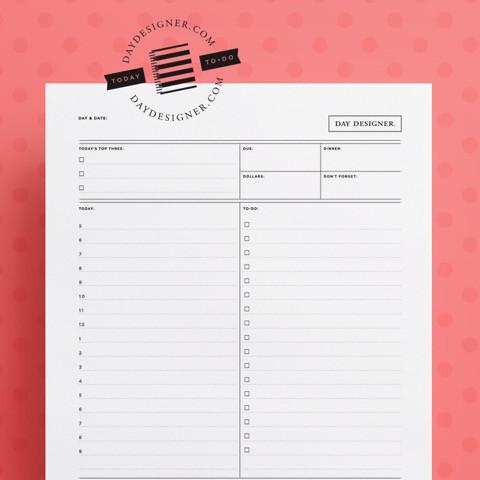
credits to tumblr daydesigner


e) Balancing

a) When it feels like too much
Lots of times in senior school I felt like I was facing a huge workload and then an enormous expectation from friends and family. It can feel like an epic amount of pressure.

However this is going to happen to everyone – don't stress! There are lots of ways to get through it!
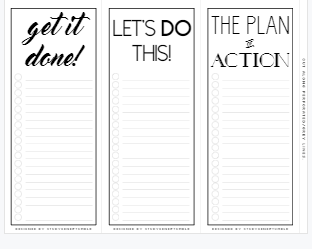
credits to tumblr daydesigner
If you go onto Tumblr and search 'printables' you'll find lots of gorgeous looking sheets for putting in planners, writing lists or managing your time. I've taken a few screenshots of something I thought you might like – if you want them just go onto Tumblr and have a look – or you can find others of google images but be careful because they're not always available to download.


ai) Time management

A lot of people will tell you lots of ways to manage your time. Unfortunately, this can prove more distracting than beneficial.

Try the techniques that make the most sense to you but don't feel like you have to stick to them religiously! I've included a few websites that have helped me improve my time management but remember to do what works for you.

In the end, the best technique is routine and habit.

http://www.studygs.net/shared/mgmnt.htm

http://etudiance.tumblr.com/post/132244104798/the-pomodoro-method-is-so-important-and-i-feel

http://studyign.com/post/125463345667/soooooo-school-is-starting-in-about-a-month-for-me

f) Friends vs. School
In senior school social groups will change – sometimes considerably. You might feel the need to spend lots and lots of time with your friends to keep you little group together.

food, meal, health,y fit, yum, good, nice, warm, egg, curry, cheese, avacado, yum, avocado, bread, brown, study, friends, sharing, group, best
nothing like a meal with good friends!
Don't stress about keeping them close, yes they are your great friends, and you do have awesome memories with them but try to keep things in perspective. There are a hundred and a bit people in your year. That's plenty of people to connect to. If it ever feels like you're sacrificing part of your schooling to keep up a relationship with someone that isn't that interested in you – then drop it!

At the end of the day, you're not going to lose a friendship overnight, but you can fall behind quickly. Don't forget to spend time with others but please don't obsess over losing one friend or another. People will come and go the only thing that you can do is be friendly and welcoming.

Be yourself too – it was hard for me to get used to the idea of just being myself but at the end of the day I had to find friends that accepted that I could be sarcastic, obsessed with law and a massive Justin Bieber fan. It took time, but I did find people that loved that about me, and I know that you'll find people who like you for who you are too.

Lulu Hensman  

Tuesday, 12 January 2016

The legal loophole that leaves our society condemned to repeat its mistakes forever


Article 1 of the Genocide Prevention and Punishment of the Crime of Genocide makes all signatories liable for not taking actions to prevent genocide. Parties confirm that “genocide whether committed in peacetime or war is a crime under the international law which they undertake to prevent and punish.”

Despite the clear confirmation and intention contained withing the convention there is no direct mention about whether suppressing information about genocide is illegal. Although in Article VIII it is mentioned that a contracting party can call upon the UN for prevention and suppression of acts of genocide it is highly ineffective.

The ineffective nature of this clause is made clear through today's present circumstances because in the tumultuous political arena in which we all live what single nation is willing to lose their current stake hold for a potentially worse diplomatic position than before?

Obviously none. Hence all countries will maintain silence in order to retain their diplomatic relations with each other.

While some may believe that the mere omission of a genocide such as that witnessed in Turkey during and after the Armenian Genocide (reference point Geoffrey Robertson, An Inconvenient Genocide) is not a criminal endeavor, it is criminal to the extent that it is similar top proclaiming that the genocide never occurred. Should the genocide never have occurred according to global history then individuals would still feel at liberty to segregate and persecute portions of the community in order to create a Utopian society.

Education on such events are vital for the development of the general populace's understanding of human treatment around the world and how this treatment does not differ in peace time or war time. While some inhumane treatment may appear to be unlawful through commonsense in many instances inhumane treatment has been disguised under war or political actions.

For example, recently Donald Trump an American presidential candidate declared that all Muslims were to barred from entering the country. In previous eras patriotism and national security would preside over any discrimination regardless of how it may segregate or be unfairly based. The change in behavior towards the statement by Donald Trump can be linked to increased publications and education on genocides such as Rwanda and the Holocaust. Both situations have made clear the need to minimize the discriminative power politicians have over countries.

Therefore why do we allow the failure to education about genocide to be an undetected crime against humanity?

As a major loophole in the already loose foundations of international law the act of omitting or denying genocide rears its ugly head. In some countries such as Turkey the denial of genocide (in this circumstance the Armenian Genocide) is so severe that even historians can't quantify an approximate number of victims.

In fact the perversion of history has extended so far that it has poisoned the Turkish legal system. Under Article 301 the Turkish Penal Code any citizen found to insult Turkey by acknowledging the Armenian Genocide can be imprisoned or otherwise punished. This blatant condemnation of human sympathisers only further proves the long lasting and damaging influence of denying the existence of genocide. Case law from around Turkey, and other similarly governed countries, suggests that the penal code application is more subjective than legally objective leaving a lot of room to question Turkey's ability to fend off attacks on its human rights. Clearly genocide denial has long running influence that can lead to a devastated nation and global community all fighting to retain the right to an education that prevents the loss of respect for human life regardless of race, religion, gender or sexual preference


Those who cannot remember the past are condemned to repeat it -George  

Friday, 9 October 2015

Don't let anxious thoughts ruin your exam!

So time’s almost up for a lot of my readers who are preparing for exams. I know a lot of you have been working super hard. So I thought it would be a good idea to run through some ways that you can calm yourself down in the last twenty minutes or so before your exam.

Remember that you can do as many or as few of these activities as you like –But do not revise! Nothing in the last twenty minutes that you learn from speed reading and with a panicked mind will help you on your exam. You’ve prepared and now you need to control those exam nerves with one or more of the following.

a)      Have something to eat


We all know about bringing a snack for during the exam, but studies have found certain types of foods and beverages can help to reduce stress so bring some of these along for before the exam.

1.       Something crunchy


Studies have found that crunchy food helps to alleviate stress levels. The night before your exam pack some fresh pieces of carrot and celery. This healthy crunch will relieve your anxiety and give you the calm needed to head into the exam room.

2.        A hint of citrus
food, comfort, diet, healthy, yoghurt, fruit, fitblr,tumblr, study, work,headache

An orange or other citrus fruit has been found by many researchers to help in the reduction of stress. It’s always best to prepare the night before, so cut up some pieces of orange and pop them away in the fridge for the morning. Just don’t forget to write yourself a note about it so you don’t forget.

3.       A warm brew


Tea or similar warm drink has been found to have a calming effect. Psychologists suggest that it is because it is similar to the warming comfort received in a hug or affectionate gesture. I wouldn’t recommended a highly caffeinated drink – but some peppermint tea or raspberry tea are wonderful treats before the exam.

4.       A little bit of sweetness


sweet, food, tea, coffee, drink, warm, hot, study, chocolate, ruler, stationary,studbly,tumblrSweet things do help to lift our spirits. While they should only be taken in moderation (and please don’t risk a sugar crash) some honey in your tea or a muesli bar with chocolate drizzle would be the perfect pick me up and motivating snack to nibble on while you relax and mentally prepare.
A lemon and honey drink may be the perfect way to combine these three options. Simply mix a table spoon of honey and half a tablespoon of lemon in with some warm or hot water and adjust to taste.

5.       Chew some gum


Lots of people get nervous stomachs before an exam and feel like they can’t eat. This is a perfectly  normal reaction that is a consequence of your fight or flight response. This response happens when your brain perceives that there is danger.

Before your exam your body is likely to perceive your fear of the exam as a psychological danger or a ‘stressor’. Neurotransmitters are sent through the neurones in your brain to warn your autonomic nervous system. These electrical messengers activate the sympathetic nervous system which proceeds to prepare the body to fight, flight or freeze.

– Freeze is a third response experienced by victims of abuse where they feel as if they are having an out of body experience and struggle to interact with their environment.

The sympathetic nervous system will stop digestive processes in order to divert energy to other parts of the body. When you chew gum this alerts the brain to the fact that you cannot be in danger because you are eating. The fight or flight response will generally begin to dissipate after a few minutes.

b)      Creative relaxation


Don’t just rely on food to calm your nerves. Try sipping on some lemon and honey while you do some of these innovative relaxation techniques

1.       Colour in a mandala


A mandala is a specific type of drawing that you can get off a google image search that aims to help you focus and relax. They are used by those who practice mediation and mindfulness. Doing one of these before the exam can help you to take control over your anxious thoughts.

2.       Draw something


Using a scrap piece of paper allow yourself the opportunity to relax and rest your mind. No one has to view or grade this artwork so draw what ever your please. But once again, do not relate it back to your exam work. Your brain needs to feel rested when you get into the exam room not stressed and tired.

3.       Visualize what you’ll do after the exam


Avoiding the actualities of what might be on the exam, allow your mind to wander to what will happen after. Since you’ve clearly been working hard try to arrange for a reward that makes you feel excited.
food, cake, sweet, treats, healthy, fat, drink, warm, winter, summer, phone, cafe, coffee


For example you might promise yourself that after the exam you will walk into town and purchase a hot chocolate. Or your might think about watching a movie or reading the next chapter of your novel. Try to make it something that you look forward to and you know will raise your spirits.

4.       Listen to music


Music can inspire and encourage you to continue your hard work. It can remind you of your goals and aspirations.

It’s personal choice whether you choose to listen to classical, rap, jazz or pop, there is no definitive research to suggest that there is any one significant benefit over the other.

5.       What a youtube video


A small slice of humour is neatly fitted into youtube videos, often lasting around three minutes, these can be the best way to distract yourself from your anxious thoughts. Maybe watch the video with a friend and benefit from their company as well.

There’s no research into youtube videos and calming thoughts but from personal experience I can promise that a video before your exam can help you to feel truly rested and ready to plunge into exam questions.

6.       Play with blue tack or putty


Blue tack is a great distraction object. You can pull it, twist it, squeeze it or throw it. For those who, like me, tend to bite their nails when they’re anxious this can be a great way to save your nails. It’s also a very subtle means of helping yourself to calm your nerves as you can hold a small amount in your hands and still interact normally with those around you.

c)       Get moving!


Sometimes our energy before the exam means that we get jittery and anxious. These techniques are designed to help you work that energy out. You don’t want to be exhausted before an exam but you should feel able to sit calmly.


1.       Go for a stroll

Walking beneath trees or some light to moderate exercise has been proven to benefit productivity and improve your focus. Get up and walk up and down the stairs or just around your exam area. The little bit of movement can go along way in getting you exam ready.

outside, pretty, outside, walk, healthy, fitness, exercise, awesome, study, exams,

2.       Stretch


Before an exam try to stretch out your neck and back. These are probably already a little sore from the amount of time that you have been spending studying at your desk. Stretch your neck and back slowly being mindful of any injury. If you ever feel too much pain stop immediately.

3.       Shake your hands


This is a part of a stress management process knowing as shaking. The concept is that by shaking hands or other parts of your body you are helping your body to reduce tension and remove stress hormones from the body.

4.       Freshen up


A quick trip to the bathroom and some water splashed on your face can help you to feel prepared and focused. While freshening up just check that you have completed the following;

  • Have you had a glass of water?
  • Have you checked in with a friend?
  • Have you checked you have pens?
  • Have you checked your stationary is working?
  • Have you checked where your exam is located?
  • Do you know where you will be sitting?
  • Do you know which bathroom is the closest to your exam room?


d)      It’s okay

Before an exam take the time to check that your thoughts are the right ones. Don’t be negative about yourself, be open minded and understand that it’s okay if you messed up during your study prep.
Those few minutes before the exam are examples of a true mental challenge. The trick is to be forgiving of yourself and to be proud of what you have achieved. Just by making it to the exam stage you’ve had to battle through weeks of classes, assignments, late nights and lectures. So good job you!

e)      Have a break


You might not have much time, but there’s still plenty of opportunities to help yourself to feel rested and ready for the exam ahead.

1.       Lay your head down


Simply resting your eyes can be enough to help you relax into a mindstate that is focused and ready to provide the information that you need. Remember an anxious mind is often so wound up that you will lose a good deal of time worrying during the exam about unnecessary things and make silly mistakes.

2.       Count from ten and back again


A common breathing technique is to breathe in slowly for ten seconds and then breathe out for ten seconds. This process of monitoring your breathing is a simple technique that can help to center yourself and calm your nerves.

3.       Sit by yourself for a bit


Sometimes socialising with others will make things worse than they already are. There’s no shame in needing to remove yourself from your group of friends in order to calm down and work through how you’re feeling. You can talk to them all you like after the exam!

Good luck with your exams and remember to be proud of what you have achieved,

The Underage Lawyer

PS: If you have any pre-exam tips feel free to comment below J

Saturday, 3 October 2015

Unique DIY study board; perfect for exam time!

Hello everyone, I hope you are all having a productive holiday – if you’re studying in Australia that is. Either way I have had a super productive week at home and thought I’d love to share this ‘study-planner board.’

It’s a quirky DIY that aims to help you shape up for whatever big events you have planned. This was totally customised to my colour preferences, so whatever colours or materials I suggest feel free to drop them out and try your own colours/materials.

Things you will need:
-          Calendar with space to write details on
-          ‘Priority List’ Paper
-          A4 or bigger decorative paper
-          Staples or tape
-          Pins and decorations to match
-          Pens
-          Tape
-          Weekly planner/ note paper to make one

1.       The board itself

I have a large cork board from IKEA. It costs $8 AUD at press time, but you can usually purchase them from your local craft or discount store.

 These are better than canvas or paper boards because they hold the pins firmly.

2.       Priority list


Write out your top priorities and then order them according to time, difficulty to complete and desire to do them.

It is important that you don’t overwhelm yourself with work. You will quickly become demotivated if you see a long list of seemingly endless tasks.

I use a ‘Top Three Priorities’ List from Kikki K. This list allows me to pick three big tasks for the day and break them into smaller chunks. My work now is more streamlined, polished and focused because I’m not trying to complete twenty tasks in one day.

It is also important that you remain flexible and work intuitively. This means that you need to acknowledge how you are feeling – some days you may feel stressed or anxious. Then it is important to take care of yourself and not to push hard workloads. Doing so will only force your body to become run down and inefficient.

3.       Weekly Planner


This planner can come in any form, you can draw up a seven-day grid and divide it into three-hourly blocks. I bought a ‘Meal Planner’ from Kikki K, this breaks my day up into four sections. It also allows me to block out time for each of my subjects throughout the week.

It is important to use these overall planners because it helps you to gain a picture of how you intend to spend your time. I like to think of this planning like budgeting. Each task demands attention, but there is only so much to go around. By using planners, you can economically and efficiently spend your time. You can also realise where you can improve your time management.

When you create a weekly planner – as you can see on mine, use different colours.

For me;

Blue are the reminders,

Red are loose tasks that I would like to be working on during that time

Brown are items that I need to complete for heath and well being

Purple means it requires planning

Yellow are unavoidable and essential pre-planned events
When completing your weekly planner always fill in pre-planned events first as you need to work around these.

Also, don’t forget to remember your mental health and well-being. Plan in times to exercise, snack and relax. These are not optional because without these activities you will lose motivation and focus for your work.

4.       Monthly planner


Monthly planners are useful for those who have bigger tasks due in months or weeks. They help you to keep track of days and deadlines.

Those who are studying for exams or similar be aware that it is easy to fool yourself about how long you have left. Using monthly planners can help you to remain realistic and practical when organising
social events and breaks.

Studying, particularly for school, can be gruelling and at times demotivating. My article on ‘endurance studying’ may help you find some ideas to beat this challenging issue.

5.       Notes and key reminders


I like to pin on my board some go-packs. These are similar to snack packs that savvy school-moms make.
In each of your subjects write out the topics you have the most difficulty with and summarise each of these. You could put them in snaplock bags or I have included instruction below to DIY cute paper envelopes.

DIY STUDY GO PACK INSTRUCTIONS

1.       Make your materials, how big they are will depend on your envelope size. I fill mine with flash cards and mind maps folded in half. 

2.       Make a triangle shape with your square piece of paper and crease along the middle
3.       Open out your triangle and then turn the paper to make a diamond and fold the lower corner up to the centre.

4.       Roll your paper up so that you can no longer see the small triangle and instead there is a bigger triangle.

5.       Fold one bottom corner of the big triangle in roughly towards the middle. Repeat on the other side, creating two flaps.
6.       With the top flap, fold it back so that you have a backwards triangle and then push it forwards to create another diamond.
7.       Fold down the top triangle and tuck it into the diamond to complete your envelope

8.       Now slide in your materials and label it.
9.       You are now ready to take your go pack anywhere! Happy studying!
For a video and more information click here

On my vision board, I also included some
  • -          Informative vocabulary sheets
  • -          Tickets to a Geoffrey Robertson lecture who I aspire to meet and work for
  • -          Pictures of friends and family
  • -          Mind maps for things I am trying to remember
  • -          Quotes that I find inspiring


Your vision board should include things that inspire you. I have in the past pinned up logos of universities that I wish to attend, scores I was proud of – or wanted to improve. Customise it to be something that inspires you and makes you feel confident in the future.
Next blog post will be giving you some tips on what to do before you enter the exam room.
Happy Creating!
The Underage Lawyer.


[[No products mentioned were endorsed products. I am not making any promise of quality or suitability.]] 

Monday, 28 September 2015

Congratulations Australia!


This past month has been full of changes, including the leadership spill – which I’m sure every Australian followed on twitter! Along with the appointment of a new Prime Minister Australia appears to have received an attitude change. Two surprising appointments of a female minister and an indigenous minister has arisen from the appointment of Prime Minister Turnbull. Additionally Tony McAvoy must be congratulated as he is appointed to the Queen’s Counsel.

It is with great pride as a young Australian lawyer that I can write about Wiri man Tony McAvoy. He was appointed as a silk on Thursday as the first indigenous member of the Queen’s Counsel. This appointment is a position of great honour and responsibility. His role in inspiring young lawyers (especially indigenous lawyers) will be insurmountable.

The term ‘silk’ is legal jargon that refers to a silk gown worn by the members of the Queen’s Counsel. It is a great honor to be elected to the Queen’s Counsel because these individuals are selected purely on their level of merit rather than their years of experience. Although briefly Australia removed the use of the phrase ‘Queen’s Counsel’ and instead QC’s were called ‘Senior Counsel’ it was restored in March 2014 to Queen’s Counsel.

During an interview with Lawyers Weekly  Mr McAvoy explained that he had an innocent start to the profession as it arose from a holiday job in the Aboriginal Legal Service. He went from strength to strength in the legal field and were recommended by Doyles Guide of Leading Native Title Barristers Australia, 2015.

Still Mr McAvoy remains grounded as he speaks of his win for the Quandamooka People of North Stradbroke Island. This claim was a sixteen-year long legal fight for the indigenous people to have their ongoing connection with the land and traditions acknowledged. The claim extended over 43 square kilometres, which is a significant acknowledgement of the traditional custodianship of their land.

Additionally Malcolm Turnbull announced Ken Wyatt as a front bencher in Australia’s federal parliament. Frontbencher is the term used to describe where ministers and shadow ministers sit in government. It is a significant role that involves being allocated a major area of responsibility.

Mr Wyatt’s responsibility will be as an assistant healthminister. Mr Wyatt is a man with Nyoongar, Yamatji and Wongi heritage who can draw on experience to support the health needs of indigenous Australians. Health is a very prominent portfolio, and Mr Wyatt’s previous experience makes him an apt choice for the pressured portfolio of health.

Mr McAvoy and Mr Wyatt are taking groundbreaking steps for Australians, as no other indigenous Australian has yet reached the recognition that they have achieved this week. Hopefully, there will be more indigenous Australians to follow and many more young indigenous Australians inspired.

Female leadership has also been uplifted in the appointment of a woman defence minister, Marise Payne. Marise Payne is a Senator for New South Wales. The Sydney Morning Herald reported that Mrs Payne had been called the best choice for the job, and Australia Defence Association Executive Director Neil James commented that she was an excellent option.
Despite concerns that the defence minister position had too many changes, Turnbull insisted on hiring Mrs Payne. He believes that she is the best choice for the party. SBS reporters commented that Turnbull, while making history, was not interested in tokenistic appointments but remained focused on building a team of hard working ministers.

The historic appointment of these three people to positions of responsibility is hopefully a sign that Australia’s conservatism is becoming a practice of the past. Just as leading Australian Human Rights Barrister Geoffrey Robertson promotes in his essay collection Dreaming Too Loud, Australia’s time for acknowledging indigenous rights is well overdue. To bring new leadership into our government is a move that should be celebrated. While it is only one indigenous minister and one female minister appointed to these prominent roles it is still a step in the direction of true racial and gender equality.

Good luck to all of you students reading my blog who are beginning your exams. I will soon be posting a blog post about designing ‘vision study board.’ These boards are fun DIYs that help you keep up the productivity through the long weeks of exam preparation. These DIYs can be altered to match any field of work including lawyers with a creative flair, looking to organise the coming weeks.

Lots of love,

The Underage Lawyer