Sunday, 22 April 2018


Thursday, 19 April 2018
I hired a Personal Trainer; 2018 Lifestyle Change
I hired a PT – personal trainer. After two months of going
on my own to try and hit the daily exercise targets I’d finally realized that
DIY-ing it has its limitations. I was keen to try out some harder and more
complex exercise to see if there was a way to fast track my performance.
I’d watched a lot of fitness blogs and I’d seen many cool
moves I was keen to learn – mostly just to show off in the gym. Most
specifically I was keen to learn to do a ‘box jump’ a movement where you jump
on top of a 24 inch box and land in a squat position. The second one I was keen
to get started on was a squat rack – a machine which helps you to squat using
heavy weights. It’s a very popular machine for fitness bloggers – and I was
pretty inspired at this stage.
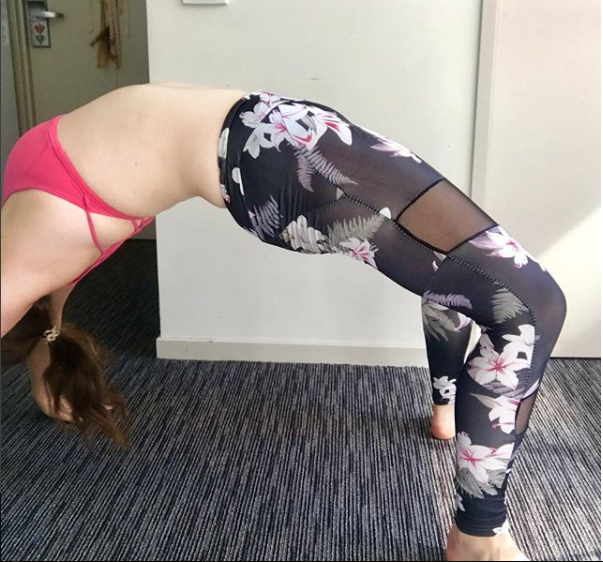
I’d met the girl I worked with previously on a Friday
morning boot camp that the gym ran. I had started going out of general interest
– thinking that it might help me figure out how to get more out of the gym.
It’s a 45 minute high intensity interval training session (HIIT). HIIT are very
popular modern work outs as they raise your heart rate and increase your after
caloric burn.
There are two types of calorie burn – there’s active
calories and resting calories. Generally speaking, you have to move to burn
calories – however, post exercise oxygen intake can increase your resting
caloric burn to up the number of calories that you burn overall. This is
especially true for those who struggle with metabolic syndromes as was shown in
a study in the Scandinavian journal of medicine & Science in Sports
(Larsen, Welde, and Martins, 2013). However, this effect can be triggered by
any high intensity exercise such as Tabata – a 20 second on 10 second off
interval training. For the studies of afterburn effect fast paced cycling was
used, where the participant was working at 75-80 percent of their max heart
rate.
I had my first session with a personal trainer on a Monday.
This was a lot less intimdating than I’d built up in my head. It was more like
a work out with a friend than what you see in the movies. We went through some
exercises that we hadn’t done before, talked about my performance goals and
worked out ways to reach them.
The next training session I was keen to try a box jump. – It
was then that I discovered while a lot of these things look easy they really
require more control over your muscles than just the ability to jump onto it. I
could get onto the box but quickly lost my balance and fell off onto the
ground. After that I chose to focus on building my balance instead of falling
on my back several more times.
After that minor set back I was thrilled to be given
alternative ways of reaching my goals. Previously there’d been a lot of
research and work on my behalf- that wasn’t always successful. Making the
decision to work with someone else allowed me to tailor my program so that I
could see my progression in strength, balance and agility and I could do so
without feeling disheartened.
 That being said my workouts – while they were good at
creating my progression and allowing me to build what I wanted to build better
strength and talent in. There still were movements in my routine that I wasn’t
thrilled about doing- mostly because while they were good for my body they were
so tiring! However, I could see changes in my ability within two weeks Before
if there was one thing I never did it was jog. I could sprint – but not jog for
a sustained period of time. Within two weeks running for ten minutes possible
and something I did.
I’m still working on the routine two months I haven’t
achieved my major performance goals yet but hopefully by the endo f the year
I’ll be able to update. If you’re looking to make some changes in law school
and wondering if it’s worth the effort – I would recommend starting out with a
personal trainer – going it alone for a few months is hard. Keeping up
motivation and knowing what to do took a lot more time and effort than I had
expected – especially I you’re hoping to reap the full benefits of exercise and
not just a random achievement.
As of February I have definitely experienced some cognitive
benefits. The biggest I’ve found are;
·
Increased focus
·
Better problem solving
·
Increased self discipline
They definitely weren’t immediate changes and I’m not super
woman status yet. However, the lifestyle change has definitely increased these
areas of my life and I'm looking forward to seeing their impact on my academic
endeavours.
Thursday, 5 April 2018
I tried a non-detox healthy-yet-flexible diet?
I went on a macros diet. In the
past I’ve tried to eat healthy- even
going so far as to be a raw fruitarian for a little while. The idea of
nutrition affecting your whole life is something I really resonate with. I
think if you eat whole unprocessed foods you feel a lot healthier, happier and
have a lot more energy. But – law school makes it hard to follow an unprocessed
diet.
 |
| Typical fruitarian spread |
My law school is literally five
minutes from the nearest dominos – and they don’t charge delivery to the law
school library so you know pizza is my life source when it comes to exam time.
And sadly, all that processed food took a much heavier hit against my body than
I realized.
Noticing that I was more sluggish, and had way less motivation to get things done than usual I determined that I should go on a detox. I started doing a bit of digging to find the best detox for me – having such an affinity for fruit I was keen on a juicing diet – but there’d been a lot of discussion around me about a bone broth detox. But the more reading I did – the more hesitant I became – about both juice cleanses and bone broth. Lately there’s been some hit back against detox diets, with nutritionists claiming that a healthy body can detox itself – and these diets are just a new form of starvation diets. I’ve linked in that sentence an interesting article from “the conversation” which I thought was a good starting point for research into detox diets.
By the end of my research spiel I’d
definitely wiped going on a detox off my mind – but I still felt anxious going
into a grocery store to try and figure out what exactly was going to make my
body healthy and ready for another semester of law school. Because I wasn’t
really looking to lose weight, mere calorie restriction didn’t seem like a
reasonable option – especially since you can eat anything on calorie restriction
– it’s just how much or little of it you eat. I was more interested in fueling my body on for
study – and there’s not a lot of ‘diet plans’ for that.
 So after a bit more prodding
around (admittedly on the fitness side of youtube and Instagram) I found out
about an eating lifestyle called ‘if it fits your macros’. Often shortened to
IIFYM is a modern day way of eating that focuses on three key nutrients known
as macros – fat, protein and carbs. These three nutrients are essential for
your body and help you live a healthy life.
 An easy way to try this method out
is to download the myfitnesspal app on your phone and simply enter in the foods
you eat. It’s basically like a more advanced style of calorie counting – but unlike
calorie counting I was looking at the nutritional value behind the foods I was
eating. Because I was paying more attention to nutrients it wasn’t so much that
I could eat processed junk through the whole day- because I’d run out of fat and carbohydrate
quickly.
 As of writing this article I’ve
been on IIFYM for about five months. It’s been okay – it’s definitely a
learning curve. When I first started I had to drop about half the amount of
fruits and vegetables I was eating – which I thought was super counter
intuitive because obviously fruits and vegetables are good for you.
However – they don’t have a lot of
fat and protein. So I had to turn to
pintrest to find some alternative recipes to hit the optimal amount of fats and
proteins for someone like me. To increase fats and proteins I found myself
eating a lot more fish, beans, tofu, kidney beans and avocado. These healthy options
for fats and proteins added a lot more variation to my non exam time diet – and
most of time I’m not really interested in eating out.
 |
| foods I actually ate while doing IIFYM |
When it comes to eating out – the app
on your phone is the most amazing invention since the dawn of time. My fitness
pal (not sponsored) has a great inventory of restaurants and take out foods
like pizza, sushi, pasta and dumplings so when I ate out I just entered roughly
what I ate and had a good idea of the nutritional break down of the food. – I could even track my weekly take out night
and over time I learned how to eat in the week so that one night of heavy
sodium pizza didn’t leave me feeling sluggish and headachy.
An interesting feature of macros
dieting that definitely confused me at first is that it is highly
individualised. For example a law student may need more proteins and fats
because proteins are important for making hormones and enzymes, and fats help
the absorption of certain essential vitamins like A, E, and K. While
carbohydrates are less useful overall as not so much energy is expended
throughout the day. However, an athlete will need to consume more carbohydrates
and proteins to help repair tissue and fuel their body to replace the energy
they’ve expended. Additionally, your macro requirements may vary from day to
day – for example I exercise everyday except for during exam time. So pre-exam
time I need more proteins and carbohydrates to fuel me throughout the day, but
during exam time I need more fat to help store energy and absorb vital nutrients
to fuel my brain.
Unlike a detox the IIFYM diet is
intended to be a way of living. It is design to fuel your body well and allow
you to indulge in treats because you wish to and not because you’re desperately
craving them. I’m still doing the IIFYM lifestyle – and hoping to continue it
for a lot longer. I may have struggled to lose some of my fruit intake in the
beginning – but I definitely don’t regret it!
Thursday, 8 March 2018
I change my study habits; Lifestyle Change 2018
Lifestyle
changes are all about making a change for a more positive you. The aim of them
is to become more efficient, productive or attractive in some way. Generally we
know that by doing something ie. Running more, we will become more efficient at
it. However, there are some categories of self improvement that are not as
clear cut. The most obvious of which is academic achievement. There’s been a
lot of focus on smarter study – but whatever that is, is generally elusive to
the press and the scientists themselves. What had been a common feature of
universities is that they will provide three avenues of learning one subject
·
Lectures
·
Tutorials/seminars
·
Readings
Their
claim is that all three must be completed in order to have learned a subject to
a sufficient level. This is obvious in error as few students ever bother to
complete the one, let alone the three, areas.
The
second claim is that by attending in-person one will gain greater benefit from
tutotirals and lectures than listening online. There is little evidence to this
effect – especially little on how students between 16-25 find learning in real
life as compared to online.
The
third claim is that written notes not typed notes create more pathways in the brain
that facilitate the learning of the subject.
 |
I’m
curious to see if I make a lifestyle change in regards to my study patterns –
will I see a grade improvement?
At
university there are multiple ways you can study; I like to catagorize them
into three broad categories.
The Ghost
The
ghost is the student that does the work, does the readings but never goes to
lectures. Those things are recorded – why bother turning up if you’re not going
to be graded!? The ghost’s logic is if they’re only there to get a degree the real
experience of a university has no meaning. They’re just there to do the work,
get out and get paid.
These
students are very self-driven and enjoy being able to cruise through the course
on their own – without any interference from the lecturer. Unless there’s a
graded tutorial required you’ll never see this student. They either hide out in
their room or tuck themselves into a cosy corner of the library.
If
you end up in a group assignment with this person you better make it clear you’re
not there to do all the work – because they’re not doing more than what they
have to. If you keep doing the work for them they’ll cruise on through.
Should have but didn’t
Much
like the ghost student this kind of student never turns up to lectures. But
they also don’t do the readings, they rarely make it to tutorials and they’re
pretty blasé about the final exam. In reality Ps get degrees and working harder
than 50% is a waste of time.
Their
work ethic affords them a lot of free time and they’re often richly involved in
university life. Things like sports, languages, pub crawls – this kind of student
is all over it. But…their grades suffer for it. To see this student getting any
higher than a C is a rare sight.
Lecturers
warn you that you can’t do a class without the readings, the classes and the
lecturers – but these guys know from personal experience – a bit of common sense
can get you places. – That and a few late nights of cramming before the exam.
The Over Caffeinated
The
lectures, the readings, the additional readings, the supplementary notes – most
common in freshers, this kind of student has done it all. There’s nothing you
can surprise them with – in fact if there is anything that’s potentially unusual
about the course they’ve probably already emailed the convenor to confirm that
was the intention, worked out a draft answer and they’re double checking it
now.
This
kind of student spends hours studying each day. Sometimes at the expense of
their own free time – and as much as we like to claim that we don’t – we’re all
a little jealous of the fact that they have such amazing self-discipline.
I
personally fall somewhere between a ghost student and the over caffeinated – as
most students probably wouldn’t fall directly into one category or another. The
difficutly of the course, the amount of interest you have in it, whether it’s semester
one year one or semester two year five – all play a huge role in determining
how much time you’re going to invest in this academic endeavour.
I’ve
always been curious – as a chronic non lecture, tutorial avoiding, and
generally work minimising student – if I did all the readings, attended all the
lectures, tutorials and did every piece of additional work – would I obtain the
elusive HD?
This
semester is the beginning of my third year – the very point of the up hill
marathon to finally getting my law degree. One should never start a marathon
aggressively – but in law school the harder you work – the more you can hope
for a job at the end of it.
So
this semester I am going to take three courses – a full
time load – and for each these I will complete all recommended and supplementary readings, attend all lecturers, all tutorials and all seminars.
 |
| Wish me luck! |
In
total it adds up to 46 hours of work (approximately) per week. This is
calculated following the course guides but in all honestly it’ll probably add
up to more, so I’m preparing for this. Over the course of the semester I will
be tracking my grades and then combining them at the end of the semester into
one average grade. This will then be compared to the average grade of the prior
semester in which I would listen to lecture recordings, attended the minimum
number of tutorials and never did readings.
So
in six months time we should have an allegorical response to the question ‘if I
tried harder- would I do better?’
If you’d like to join me on my lifestyle journey then
you can connect with me on Instagram, tumblr, twitter or facebook!
Instagram: the_underage_lawyer
Tumblr: theunderagelawyer.tumblr.com
Twitter: @underagelawyer
Facebook: @theunderagelawyer
Tuesday, 19 December 2017
EXAM 101 – Socializing and exam time
It’s well known
that a lot of students become hermits during exam time. The horror stories of
people camping out in libraries, and other roommates not leaving their room for
days on end exist – and mostly are true.
In my first
exam period, I spent hours a day in the same room going over and over my
material in a frenzied state. By the time it came to my exam I barely knew what
the sun looked like let alone the latest social dramas.
I hadn’t
managed to understand the concept of balance and when it came to the summer I
certainly suffered for it. To be honest I can’t even conclusively confirm that
all that time spend locked away from other people even made me more productive
or got me better grads. I t depends on what kind of person you are – but some level
of socialization is required (And talking to the pizza delivery man doesn’t
count!).
However, it’s impossible
to not be a social hermit with all the work that university brings – and high school
senior years – I know. I’m not expecting you to go out every night in fact I’d
advise against it. Studying with a headache is next to impossible.
According to
Forbes the relentless
focus on grades is fading as the meaning behind the grade becomes meaning
less and the grades are more based on consumer need than actual grade value. The
current job market is turning away from your GPA and placing more value on the
individual skills that the person brings to the job. The current advice from
the odyssey author
Courtney Lynn Barber is to remove your GPA from your resume after you receive
your first job.
While of course
your GPA will be important if you’re applying to a graduate program like
medical or law school, don’t rely on its importance for jobs outside of the
academic world. 57% of recruiters in a
2015 Jobvite Survey said that your GPA was irrelevant to the job search. In
contrast 88% if recruiters agreed that a ‘culture fit’ was more important and
51% believed that references were very important for a successful candidate.
So, a less iron
grip on your hermit ways when studying can ultimately benefit you. Here are five
ways I like to get myself out of the room and chatting with someone else during
exam time.
1.
Invite someone over to study with you
Inviting
someone over to study with you can be wonderful way to keep in contact with
someone without stressing about losing precious time that you could spend
studying. Having another person with you can encourage some light conversation
to occur while you continue working through whatever task you’re working on.
If you struggle
to remain focus with others set a period for which this person will be over and
work out a set list of tasks that you will get done. It also helps to reward
yourself after the study session, which you can only have if you’ve completed
all those tasks.
Some good
examples of rewards include;
Ø
Going out briefly with your friend afterwards
Ø
Going for a long walk
Ø
A yoga session
Ø
A movie or two episodes of your favorite series
2.
Go out to a café for a set period with someone
Unlike above if
you give yourself a set period where you are not studying and instead focus on
the moment you can find yourself receiving the benefits of both enjoying time
with friends and returning to your studies fully rejuvenated.
It is always
best to plan to spend an hour in a meal with someone plus travel time (for me
that’s half an hour, fifteen minutes each way plus one hour to eat and talk for
a little bit). An hour and a half can be the perfect way to break up the middle
or a reward at the end/beginning of the study day. Sometimes just that simple
break can leave me feeling refreshed and rewarded with a keen focus on what I must
do ahead.
This kind of
break is especially important because a lot of students deprive themselves of
any time away from their studies. This means that they burn out quickly and
often end up wasting hours in front of their computer or tv trying to make
themselves feel less sad and tired. It’s just like quitting sugar and fatty
foods these kinds of activities make us feel happy and it’s not a clever idea
to quit immediately, allow yourself small doses every day so that you can work
for longer.
3.
Join in a live study session
You can find
lots of studyblr youtubers online who run live study sessions. You often sign
up for them beforehand using a google form and then log on at the right time to
participate in the session. These are great opportunities that allow you to
focus on your work with a group of other people, but the chat in the room keeps
you connected to the real world.
These rooms are
also great because you’ll be interacting with a lot of students who are facing
the same struggles as you. This can be a great stress reliever and not leave
you feeling as if you’re the only one who is going through a tough time – you’re
definitely not!
4.
Use social media while studying
In contrary to
the advice of most bogs social media can be a motivating factor for people
while studying. If you can maintain a list of tasks that need to be done and
continue working through them while you scroll through non-active social medias
like Pinterest or Tumblr these can be great ways to keep your mind away from
isolating thoughts and instead thinking positively.
For me using
social medias also makes me feel like the activity is less of a punishment and
more of a way to entertain myself throughout the day. This can be a major
relief during exam time as I know that the studying can feel overwhelming and
be a major demotivating factor for many people.
Other things
that I like to do while studying is to use YouTube to watch videos to provide
some background noise. This creates a nicer atmosphere, much like working in a café,
except that you can pause the noise when it gets too loud.
5.
Study in a public place
Studying
somewhere public not only makes you feel like you must study, because people
will know if you’re not – it can encourage you to remember that there are
things outside of this one exam. The major risk that you run when you choose to
shut yourself in and focus only on your exams is that it is easier to catastrophize.
Catastrophizing occurs when you exaggerate the consequences of one event. For example,
‘if I fail this exam my entire degree will fall through.’ This is a highly
unlikely circumstance, but when you have nothing besides your exams to think
about it is a very easy trap to fall into.
That is why I
recommend trying to study in a public area at least twice a week. If you can
share a table with non-students so that you can see that activities that they
are joining in on.
Best of luck with your studies- and remember
them ore time that you give yourself to study the better off you will be!
Lulu Hensman
Tuesday, 5 December 2017
EXAM 101 - After the Exam
There’s a whole
lot of energy spent on exams – so much so that a lot of us experience an energy
slump for a t least a month afterwards. Plus, if you’re anything like me you’re
also repressing fearful thoughts of what those upcoming grades are going to be
like. Sometimes, no matter how hard you work the idea it may not pay off just
won’t leave you alone. So here’s five things you can do to help push past that
time until after the grade release (When you can really relax).
1. Sleep and watch movies
Obviously this
activity has to feature on the list. There’s no better way to take your mind
off something than laying, curled up in bed mindlessly whiling away hours
watching youtube videos. I certainly have lost two or three Saturdays in the
exam break just sitting in bed all day and enjoying the hallmark channel.
This can help
you feel well rested – and really happy. After all that studying before the
exam it’s a definite that you missed out on some awesome blockbusters (all the
good things seem to come out while you’re busy!). Plus you can scroll through
Netflix to find your next tv series binge
- and get halfway through it before you have to go out and be productive
again.
2. Exercise and eat healthy
I know this is
probably the most boring thing on the list – but please don’t let after the
exam break be your excuse to cram yourself full of sugar. It only takes a
simple google search to see all the medical evidence that shows you that
unhealthy eating is linked to an unhealthy and unhappy mind. There are strong
links between salt, sugar and depression, so unless you really want to fight
the emotional slump this holidays keep your unhealthy eating in check and
instead indulge in some of these delicious, healthy treats.
3. Plan social and work activities
Keep yourself
busy and out of the bed (for a little while anyway) with a few well planned
events. Catch up with friends and attend some semi-educational events to keep
your brain activity and maybe get a little head start on next semester’s work.
Go out with
your friends and talk about something other than school for a while. After
spending six weeks doing nothing but fast tracking your way through a ton of
work you may be surprised how hard it is to discuss something other than your
economics minor. But it’s definitely healthy. If all you can talk about is your
work load – you’re going to end up with fewer brunch dates!
But, if you’re
really struggling to pick up some conversation starters and you’re getting sick
of those delicious café brunches perhaps you should try your hand at some
resume building. Use an app like meetups to find a local volunteer group. You’d
be surprised how many opportunities are thrown about without a single campaign
on facebook. These apps give you exclusive access to the most exciting
volunteering opportunities.
But, if you’re
a little strapped for cash try doing some freelance work on Fiverr. It’s a popular way to
earn a little bit of cash to support your holiday adventures. You can work in
editing, writing, social media, blogging etc and then add your experience to
your resume – super simple! Alternatively, for five dollars you can have
anything done, from a hand drawn cartoon to a custom designed website – it’s
super easy.
4. Plan for your future academic endeavors
There’s
something special about looking forward to the next academic year. It’s hat we
used to do in primary school when the idea of learning was just as thrilling as
dozens of unscheduled days are to us now. Plan out what stationary you’re going
to get, the color schemes of your next study guides and look through some key
topics for your next semester.
Plus, don’t be
afraid to skim through the job offers of the firms/companies you’d like to work
for when you graduate. A lot of big companies have blogs which write excerpts
on what their new employees and interns are up to – this can help you gain some
insight into what the company looks for in a future employee.
5. Practice some hobbies
Of course you
should never neglect your extra curriculars! Take some time to invest yourself
in your current hobbies. Psychology suggests that the best day schedule
requires time reserved for creativity and relaxation. This is because, as much
as we may wish it was, your brain is not a machine. It requires alternative
outlets to be functional and operate at maximum capacity. Use these summer
hours to give yourself the rest and relaxation that is needed.
If you’re
looking for new hobbies to join in don’t be afraid to try out local classes,
events or watch some youtube tutorials to find out which hobbies you might like
to delve further in to. Hobbies can also be great opportunities for networking
and finding new friends.
Popular
activities like team sports and social groups can be great ways to connect with
new colleagues or to erode away some tension in an awkward job interview. Use
these experiences to your advantage and you won’t regret your summer hours.
Enjoy!
Lulu.
Tuesday, 21 November 2017
Social media and the havoc it can wreck on your professional life
Many people underestimate the
power of the social media. When it was first design the recruiters who were
hiring you probably hadn’t even heard of facebook. But the online community has
climbed the priority scale in the last ten years. Now you can forget about
recruiters not considering your social media. It’s the most unique snapshot of
your life – and it can either set you up for success or failure.
You’d think that your own private facebook
account or twitter would only bother you and your friends. But many times of
the years employees have lost jobs for inappropriate comments or behavior
online. It is often the first port of call for any employer, especially before
they hire someone that they haven’t considered. It used to be that only the
references – those three mobile numbers you stick at the end of your resume –
would represent you and your personality. However, modern employers have a far
better opportunity to gain insight into the next person that they are bringing
into their company.
According to the recruitment
agency ‘Jobvite’ 93% of companies who hired in 2014 used some kind of social
media to assess their hiring decisions. If there was 93% in 2014 – it’s hard to
imagine why that number would have increased. To take it further, 61% of the
reactions to the profiles were negative, and meant that many of those job
seekers were turned away.
There are several characteristics
that you should be wary of when posting on your online accounts
1. References
to drugs, profanity or sexual posts
According to the survey around
70% of recruiters reflect negatively on these types of posts.
2. Alcohol
or guns
44% of recruiters find these
topics to be concerning. While some may find that this is cumbersome to remove
all references to these topics – try instead for a measured response. Most
adults drink, the reference wasn’t so much to moderate drinking, but extensive
references to it.
3. Your
attitude
Much like being in public you
want to present your best self. We can all be a little irritable and grumpy
when we’ve had a bad day but try not to react online. It’s best to grumble to
yourself most of the time. One
Yale dean lost her job after leaving rude yelp reviews online. Jane Chu posted a review of a restaurant in
America where she called the owners ‘white trash.’ Obviously this behavior is
offensive and wouldn’t be acceptable in normal conversation – so it’s best to
apply the same rules in online behavior.
If you wouldn’t say it to your
mother, best not to post it.
4. Watch
your spelling and grammar
66% of those surveyed said that
they would definitely be turned off a future employee if they saw posts with
bad spelling and grammar. If you’re like me and you’re applying for a literacy
centric position – it’s especially important that you’re displaying these
skills publicly. Many job applicants don’t get to submit a job portfolio, so in
many ways your facebook, twitter and linkedin tell your employer what you would
be like to work with.
But don’t back away from your social
media just yet, according to a study initiated by Careerbuilder, 29% of
recruiters found something that drove them to offer the job to a candidate.
From the high level of online recruiters, it’s clear that making sure you
put a good foot forward can boost your chances. Forbes
magazine explains that candidates have a second opportunity to explain that
they’re a wellrounded person with the right qualities and personality to fit
the company.
To boost your chances of showing
your advantages as an employee work towards creating meaningful connections
online and sharing content that positively promotes your work value.
Good ways to do this include;
Connecting with online interest
groups like ‘Women in Business,’ ‘Climate Change Action’ or ‘Young Lawyers for
Change’. These groups all display that you are a proactive person with a strong
interest in a relevant area of the field your aiming to work with.
Additionally, posting some of
your work online (Where there are no copyright or privacy issues) can allow employers
to have a better understanding of your skills and abilities. Often a candidate
can come across stronger this way then they did in the interview when
everything was rushed.
But it’s not just job seekers
that have to mind their manners online – current hires are 41% more likely to
be investigated than candidates. While this information isn’t necessarily used
against the candidate, 26% of employers said that they had found information
that forced them to either reprimand or fire an employee.
Terry Frei, who was a columnist
for several years tweeted out that he was ‘very uncomfortable’ with a Japanese
driver winning the Indianapolis 500.
The ultimate consequence was that he lost his position in the Denver Post
and the company sent out a post publicly condemning his statement and
apologizing for his actions.
To manage your social media the
best plan of action is to assess what qualities your employer is likely to be
looking for. From there do your best to make sure that you show those qualities
that you genuinely possess and are interested in. Never try to force a fake
interest in something, you can end up in some really tight spots if you do!
Don’t be afraid to actively participate in the online community, but like I
said before – the online world is no different to the real world.
Subscribe to:
Posts (Atom)